Let’s be honest, a lot of investing content trains you to have a second job. Check the app. Watch the ticker. React to the headline. Repeat it tomorrow.
I used to treat that like it was just “being responsible.” It isn’t. It’s noise.
The best thing about value investing isn’t a clever stock pick. It’s that you don’t have to look at your account all the time.
That’s the work. The rest of the calendar is yours.
Let’s break down what that actually looks like.
Why I Don’t Watch My Account
Day-to-day prices are other people’s moods. A business doesn’t get better because the quote went up 3%, and it doesn’t get worse because it went down.
If you already decided the company is worth owning, the ticker isn’t new information. You’re not opening the app to see if you “feel rich” this week. You’re opening it when you have cash to put to work and you think the price is attractive.
That’s a buyer’s check-in, not a hobby. (If that owner mindset is still fuzzy, start with my beginner’s guide to value investing.)
My Personal Rhythm
Here’s how I think about the calendar:
- Prices, maybe twice a year: only when I’d actually buy more
- Financial statements, every quarter: is the business stronger than last year, or quietly getting worse?
- The rest of the year: other work, other questions, other passions, read other financial statements of companies i don’t know yet.
Those are two different jobs. One asks, “Would I buy more at this price?” The other asks, “Do I still want to own this?” Mix them up and you’ll turn a long-term holding into something you babysit.
The quarterly reading doesn’t take all weekend. And it doesn’t require you to refresh Wealthsimple or Questrade every morning. If the business is compounding the way you hoped, you already know what to do: nothing.
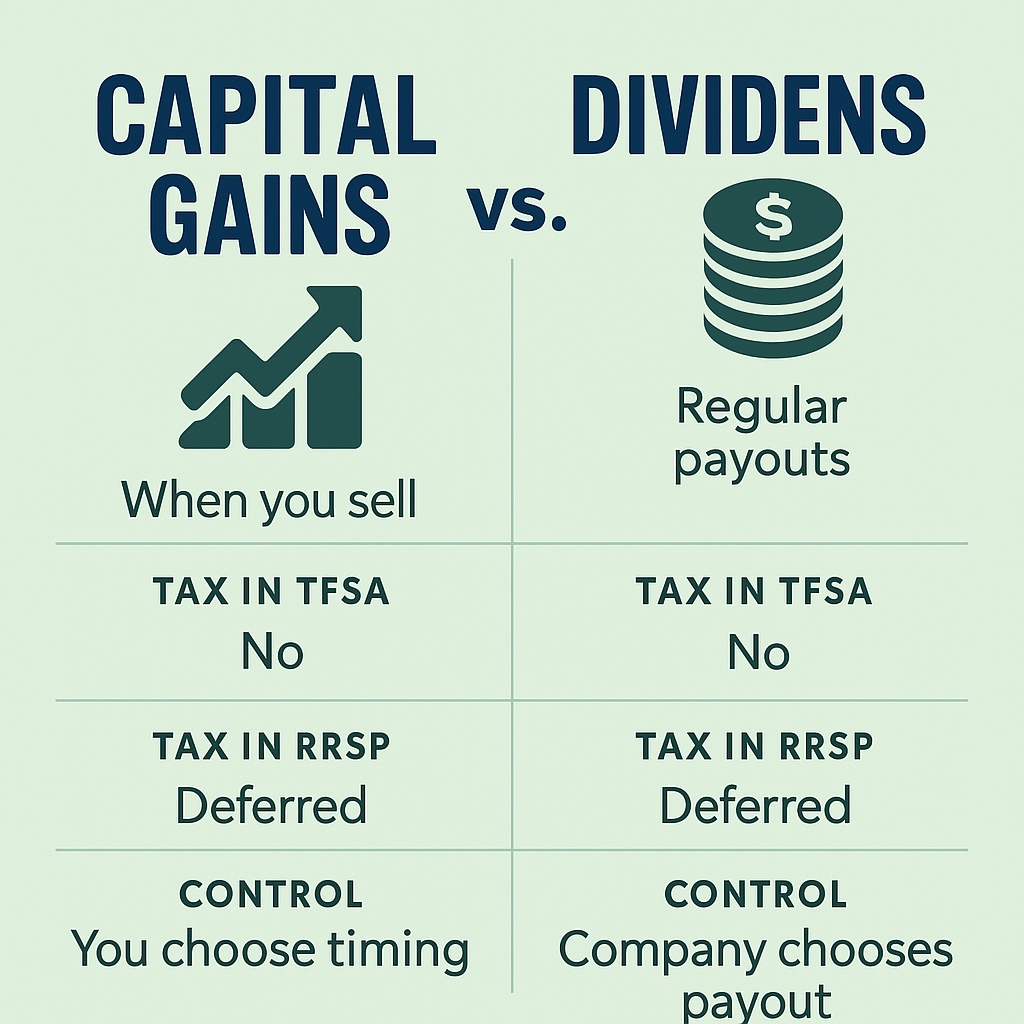
You’re also not selling for entertainment. That’s one reason I lean toward capital gains over chasing dividend paycheques, I want the tax clock to sit still while the business does the work.
What I Do With the Free Time
This is the part most investing content skips.
If you’re not glued to the market, you get hours back. That time isn’t a leftover. It’s one of the reasons to invest this way.
For me, a chunk of that time goes into music. I built TuCuatro, an online school for the Venezuelan cuatro, and I still play, teach, and keep it growing. I can do that because the portfolio doesn’t need a daily meeting.
I’ve been going to Omaha for the Berkshire meeting since 2019. Six years of shareholder badges, not stock tips. I go because the long-term thinking in that room is rare, and because the people worth listening to spent decades owning a few good businesses and using the rest of their life for something else. Nobody there is proud of how often they logged in. If you want the source material, start with Buffett’s letters.
Money is supposed to buy you optionality. Checking your account twice a day spends that optionality on anxiety. Same idea as budgeting like a value investor: fund what matters, starve the noise.
This is not an excuse to buy something you can’t explain and then ignore
Let’s be clear: the free time only works if you did the work up front:
- You understand what the company does
- You have a view of what it’s worth, so “a good price” actually means something
- You can read the statements well enough to notice decline, not just a pretty chart
- You can sit through a year when the quote looks ugly and the business doesn’t
Skip that, and checking twice a year is neglect. Do that, and checking twice a day is just watching a number bounce.
Your portfolio doesn’t need a daily meeting on top of your daily occupations. If you want a simple way to make space for investing in the first place, the 50/30/20 rule is a decent launchpad, then you tweak it.
The point of this kind of investing is to get your life back.
Buy great companies for less than they’re worth. Hold them. Read the reports. Buy more when the price is good. Spend the leftover attention on the rest of your life.
You won’t get a dopamine hit from it. That’s fine. Ten years from now, the person with the extra time usually has more to show than the person who “won” the week.
“When was the last time you opened your brokerage app for a reason other than curiosity? If you can’t remember, that’s your sign to build a rhythm that gives the rest of your week back.”
Related Reads:
- What is Value Investing? A Beginner’s Guide
- How to Budget Like a Value Investor
- TFSA vs RRSP: Which Should You Use First?
- Capital Gains vs. Dividends: Which One is Better?
If you want a simple place to hold the long-term stuff, Wealthsimple is what I point a lot of people to. TFSA and RRSP friendly, no drama.